



By: Alimatu Kargbo
Tacugama Chimpanzee Sanctuary, Sierra Leone’s top eco-tourism destination, is facing its biggest crisis in over 30 years. Known for rescuing and rehabilitating the nation’s endangered chimpanzees, Tacugama has drawn thousands of visitors with its guided tours, hiking trails, eco-lodges, and rich biodiversity.
For three decades, environmental conservationist Bala Amarasekaran has managed the sanctuary without a single penny from the government. He has preserved the forest, built dams, created jobs, supported schools, and provided water to 21 communities. Yet, the forest is now under siege.
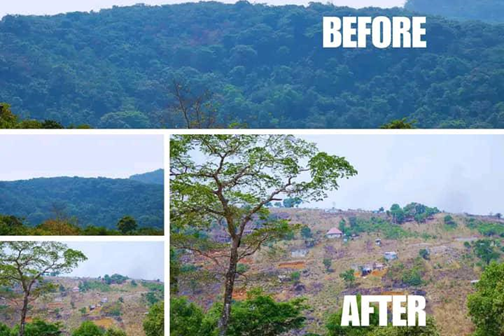
On 26th May 2025, Tacugama announced its closure to the public due to illegal encroachment and deforestation in protected areas. Land grabbers, logging, and uncontrolled fires threaten not just the sanctuary’s 123 chimpanzees, but also water sources and Sierra Leone’s tourism income.
When journalists toured the site on 9th August 2025, they found the Congo Dam in good condition and ongoing construction of a modern Innovation Center and a UNDP-funded 360-meter canopy walkway. But beyond the beauty was a grim reality, forest land was disappearing fast.
Bala warns: “If these fires burn our electric fences, 120 chimpanzees could escape, creating a huge human-wildlife conflict. Everyone will blame the government for not acting.”
Tacugama attracts 500–600 visitors monthly, generating income for the tourism sector. Its closure means lost jobs, reduced tourism revenue, and damage to Sierra Leone’s international reputation.
Countries like Kenya, Botswana, and Rwanda protect their wildlife because they understand eco-tourism equals economic growth. Sierra Leone should follow suit. Tacugama employs nearly 50 staff, hires 200 community workers for projects, supports 40 schools, and has built three secondary schools in two years.
President Julius Maada Bio has ordered the demolition of illegal structures around the sanctuary, but enforcement has stalled.
Bala’s question lingers: “If the President has given the order, why is it not being enforced?”
Without urgent action, Sierra Leone risks losing its iconic chimps, vital water sources, and a major tourism asset. Tacugama is more than a sanctuary, it’s a national treasure. The question is: Will we save it before it’s too late?


