



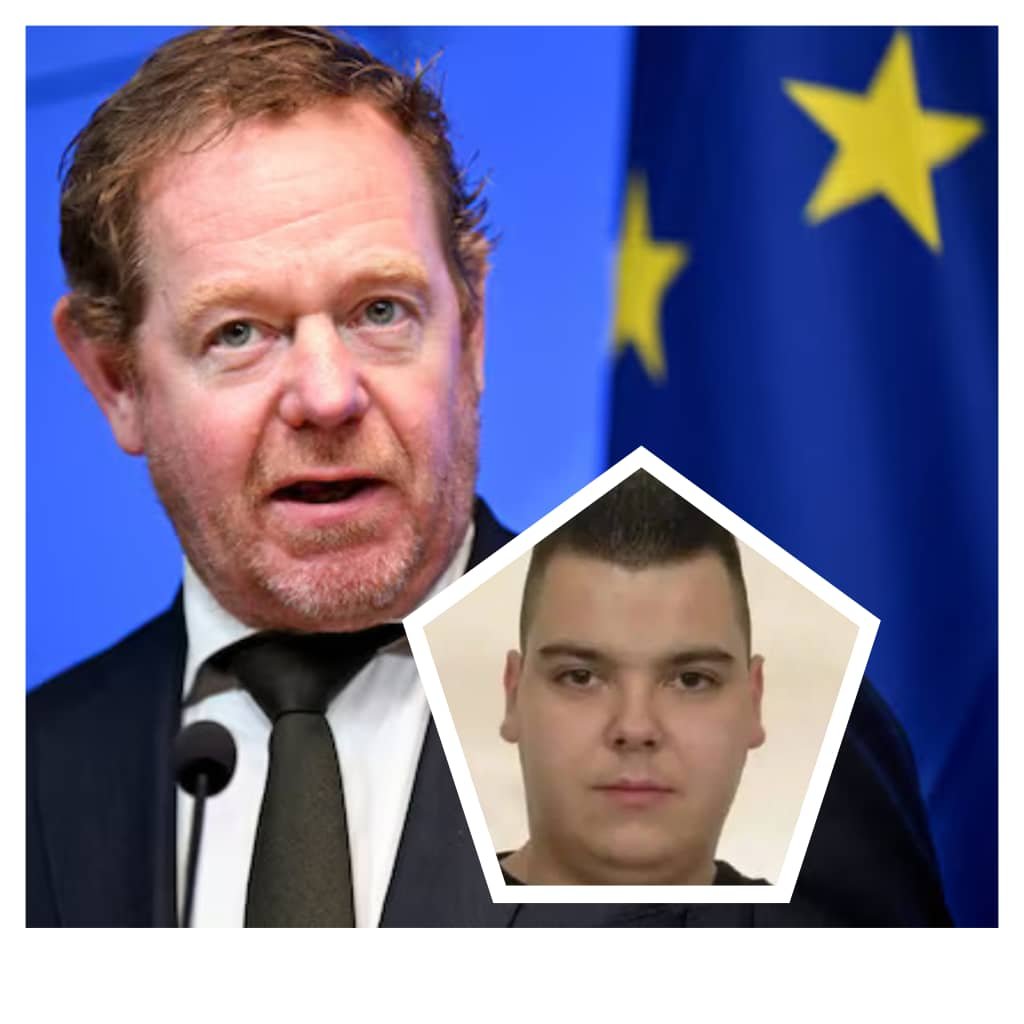
The European Commission has reportedly suspended payments to Sierra Leone with immediate effect, citing concerns over the country’s cooperation in the extradition of Dutch fugitive Jos Leijdekkers, popularly known as “Bolle Jos.”
Dutch Justice Minister David van Weel confirmed the development to De Telegraaf, saying the European Union was withholding €18 million in budget support that Sierra Leone was expected to receive from Brussels in 2026.
The Netherlands is also seeking to block a further €20.5 million in EU funding earmarked for Sierra Leone in 2027, although discussions among EU member states over that amount are reportedly still ongoing.
Dutch reports indicate that the suspension affects payments under the EU’s development support programme, rather than formally cancelling the bloc’s wider multi-year cooperation programme with Sierra Leone.
The EU’s broader indicative funding envelope for Sierra Leone for 2021–2027 has been reported at approximately €352 million. Of this, €245 million was initially earmarked under the EU’s Multiannual Indicative Programme for 2021–2024, with the remaining funding subject to a mid-term review.
Van Weel welcomed the decision, saying it sent a signal about Brussels’ concerns over cooperation with Freetown.
“It is bitter that EU money goes to a country that does not want to cooperate in the extradition of someone like Bolle Jos,” he was quoted as saying.
The Dutch government has made the arrest and extradition of Leijdekkers a priority for more than a year. A formal extradition request submitted by the Netherlands has so far produced no reported result.
In June 2026, Van Weel called on Brussels to consider cutting development assistance to Sierra Leone over the issue. At the time, other EU member states had not agreed to the proposal.
The latest payment freeze represents the first reported concrete use of EU development funding as leverage in the dispute.
Who is Bolle Jos?
Leijdekkers, a native of Breda in the southern Netherlands, has been on Dutch and Europol wanted lists since 2022.
On June 25, 2024, a Rotterdam court sentenced him in absentia to 24 years in prison for cocaine trafficking and involvement in ordering a murder. Belgian courts have also sentenced him in connection with international drug trafficking.
The cocaine was allegedly concealed in palm kernel meal and was estimated to have a street value of about €550 million. Twenty other defendants were convicted in the same case. Leijdekkers was also reportedly fined €80,000 and banned from entering the port for 10 years.
Dutch and Belgian reports put his combined prison sentences at more than 80 years.
The Dutch Public Prosecution Service has offered a €200,000 reward for information leading to his arrest, reportedly the highest reward of its kind offered by the Netherlands.
Alleged presence in Sierra Leone
Dutch authorities and international media reports have alleged that Leijdekkers has been living in Sierra Leone under the name Umar Sheriff. Sierra Leonean authorities publicly announced a manhunt for a man using that identity in February 2025.
Footage from a church service in Sierra Leone in January 2025 also showed a man identified in Dutch and international media reports as Leijdekkers standing alongside Agnes Bio, daughter of President Julius Maada Bio. Reports have alleged that the two are engaged and have a child.
The Economist has separately reported allegations concerning an international cocaine trafficking network and alleged protection for Leijdekkers, including claims involving a diplomatic passport and presidential security.
The publication also reported allegations that Sierra Leone had become a transit point for Colombian cocaine, with consignments allegedly concealed in legitimate cargo, including rice.
The allegations have not been established by a court in Sierra Leone. The same reporting claimed that police and naval authorities had prepared an operation to intercept a suspected drug shipment at sea off the West African coast, but that the operation was called off at the last minute.
Leijdekkers’ older brother, Harry, was extradited from Turkey to the Netherlands on June 3, 2026, where he reportedly faces money-laundering charges. Sengeh rejects Dutch pressure
Sierra Leone’s Chief Minister, David Moinina Sengeh, has rejected the Dutch pressure over Leijdekkers’ alleged presence in the country. Speaking on September 11, Sengeh described the pressure as “scandalous” and “neo-colonialism”, while insisting that Sierra Leone does not depend on European money. He also said Sierra Leone’s security services did not know the whereabouts of Leijdekkers.
“If they know, show the pictures,” Sengeh said.
The development comes amid wider international efforts to strengthen cooperation against organised drug trafficking. On September 17, the European Parliament adopted a resolution calling for closer judicial cooperation with West African states to prevent convicted drug traffickers from evading justice.
The resolution also backed a new EU sanctions regime targeting trafficking networks through measures including asset freezes and travel bans.
The resolution, which was adopted by 601 votes to four, with five abstentions, did not specifically name Leijdekkers. For now, the EU payment suspension places additional pressure on relations between Brussels, The Hague and Freetown, while discussions continue over whether further development funding to Sierra Leone could also be affected.


