



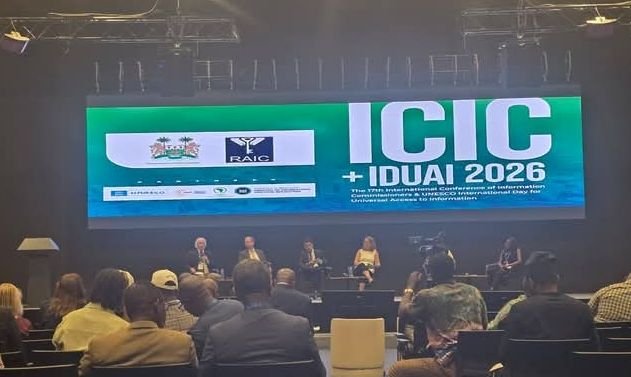
The Federation of African Journalists (FAJ) has warned that restricted access to public information is contributing to the spread of misinformation and other forms of information disorder across Africa.
The warning was issued on September 28, 2026, as the world marked the International Day for Universal Access to Information, observed this year under the theme, “Upholding Information Integrity in the Digital Age: The Role of Access to Information in Addressing Information Disorder.”
FAJ said access to reliable and timely information remains essential to democracy, peace, social stability, public accountability and citizens’ participation in decisions that affect their lives.
According to the continental journalists’ body, Africa is facing growing challenges from false election claims, rumours circulated through WhatsApp groups and other social media platforms, as well as AI-generated audio and video content.
It said such content is increasingly being circulated during elections, conflicts and emergencies, creating tensions, undermining public trust and making it more difficult for citizens to distinguish between accurate information and falsehoods.
FAJ also warned that secrecy, delays in releasing public information and barriers linked to language, location and internet connectivity are preventing many communities from accessing reliable information and independently verifying claims.
“Information integrity cannot be built on secrecy, censorship or attacks on journalists because these practices deny people unfettered access to information,” said FAJ President Omar Faruk Osman.
He called on governments to release public information promptly and transparently, while urging authorities to ensure that journalists can work freely and safely.
“Journalists must be able to report freely and safely, and the public must have the facts to challenge falsehoods and hold decision-makers to account,” Osman added.
FAJ is urging all African Union member states to align their laws and practices with the Model Law on Access to Information for Africa.
The federation said countries that already have access-to-information legislation should fully implement and enforce those laws, while states without such legislation should adopt laws that meet the standards set out in the Model Law.
It further called on governments to make public information available in languages that citizens understand and to remove practical barriers that prevent people from accessing official information.
FAJ also rejected censorship and increased state control, whether through legal or extralegal measures, as a response to misinformation, disinformation and hate speech.
Instead, the federation is advocating for stronger independent journalism, safer working conditions for journalists and increased media and digital literacy among citizens.
FAJ further called on digital platforms to improve transparency around how they recommend, distribute and moderate content, saying greater openness is necessary to strengthen information integrity in the digital age.
The federation said it would continue supporting continental efforts aimed at strengthening access to information, independent journalism and public access to credible information as part of broader efforts to address information disorder across Africa.


